
AI Is Not the Strategy. Judgment Still Is.
AI can recommend. Leaders still decide.
Article 7 • 28 Jan
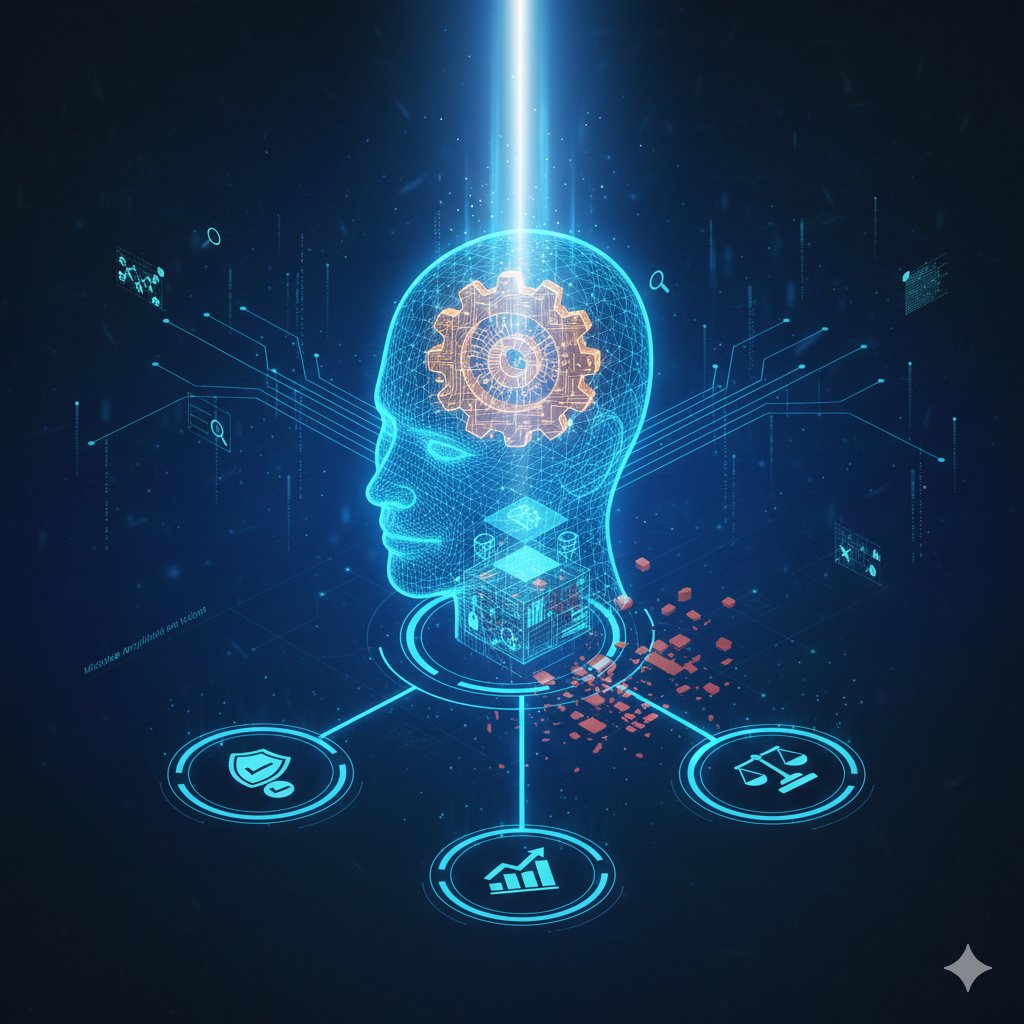
Artificial Intelligence has become one of the most overused words in business conversations today.
In boardrooms, town halls, and strategy decks, AI is often positioned as the solution — the lever that will unlock efficiency, innovation, and competitive advantage. Yet in practice, many AI initiatives struggle not because the technology fails, but because leadership assumptions are unclear.
What I see repeatedly is this:
AI adoption is moving faster than decision maturity.
AI excels at processing patterns, probabilities, and vast volumes of data. What it cannot do is understand organisational context, ethical trade-offs, regulatory nuance, or long-term consequence. That responsibility still belongs squarely with humans.
In regulated environments — insurance, banking, healthcare, energy — this distinction matters deeply. A model can recommend. A leader must decide.
How the strongest organisations approach AI
The most effective organisations I’ve worked with treat AI as:
- a decision support system, not a decision maker
- a way to improve signal quality, not replace accountability
- a tool embedded within governance, not operating outside it
Where AI initiatives fail, the root cause is rarely the algorithm. It’s unclear ownership, poor framing of use cases, or leaders outsourcing thinking to technology.
AI amplifies whatever system it enters.
If judgment is weak, AI accelerates mistakes.
If judgment is strong, AI compounds value.
The strategic advantage isn’t AI itself — it’s leaders who know when to trust it, when to challenge it, and when to say no.
Question to reflect on
How is your organisation strengthening human judgment around AI, not just deploying tools?
Article details
- Category: AI & Leadership
- Tags: Judgment, Governance, Decision-Making
- Previous: Why Senior Delivery Roles Are Less About Control — and More About Trust
- Next: Sustainability is no longer a side project